
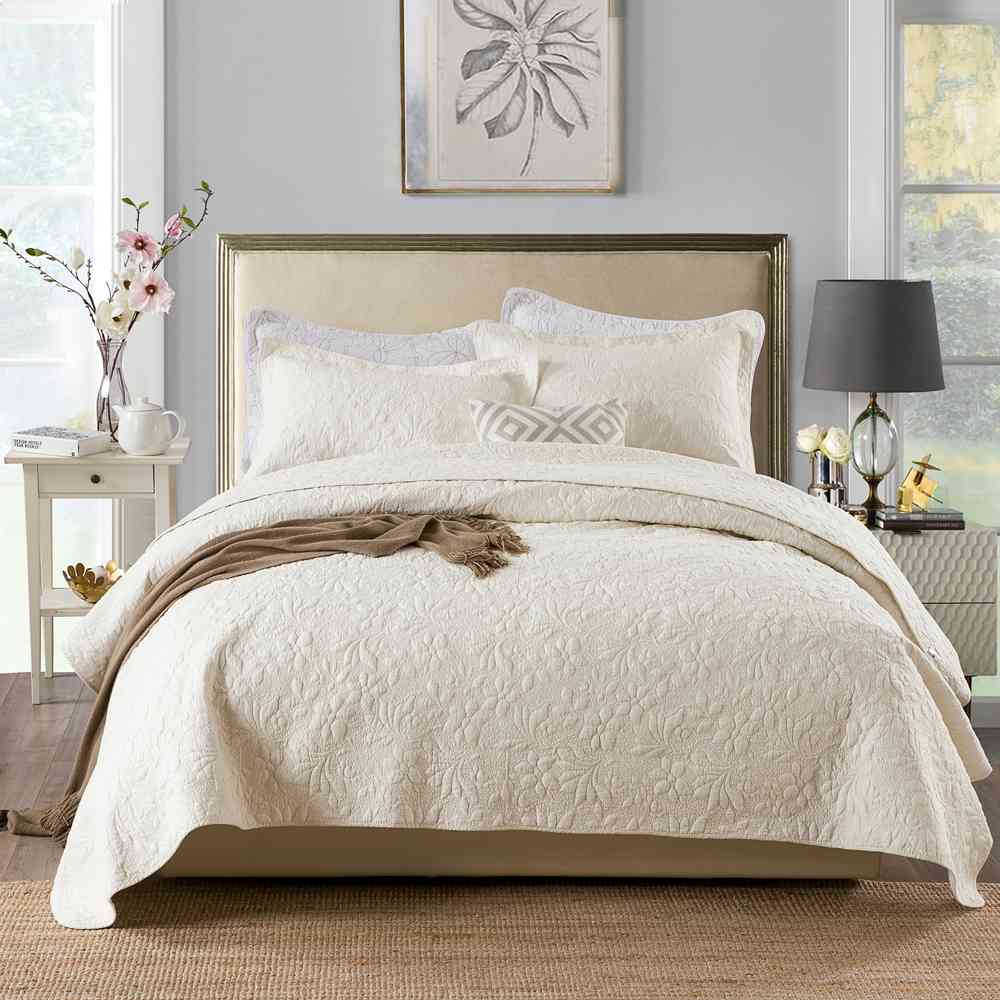
Quilt Set RFQs: Clarify Filled or Cover Only
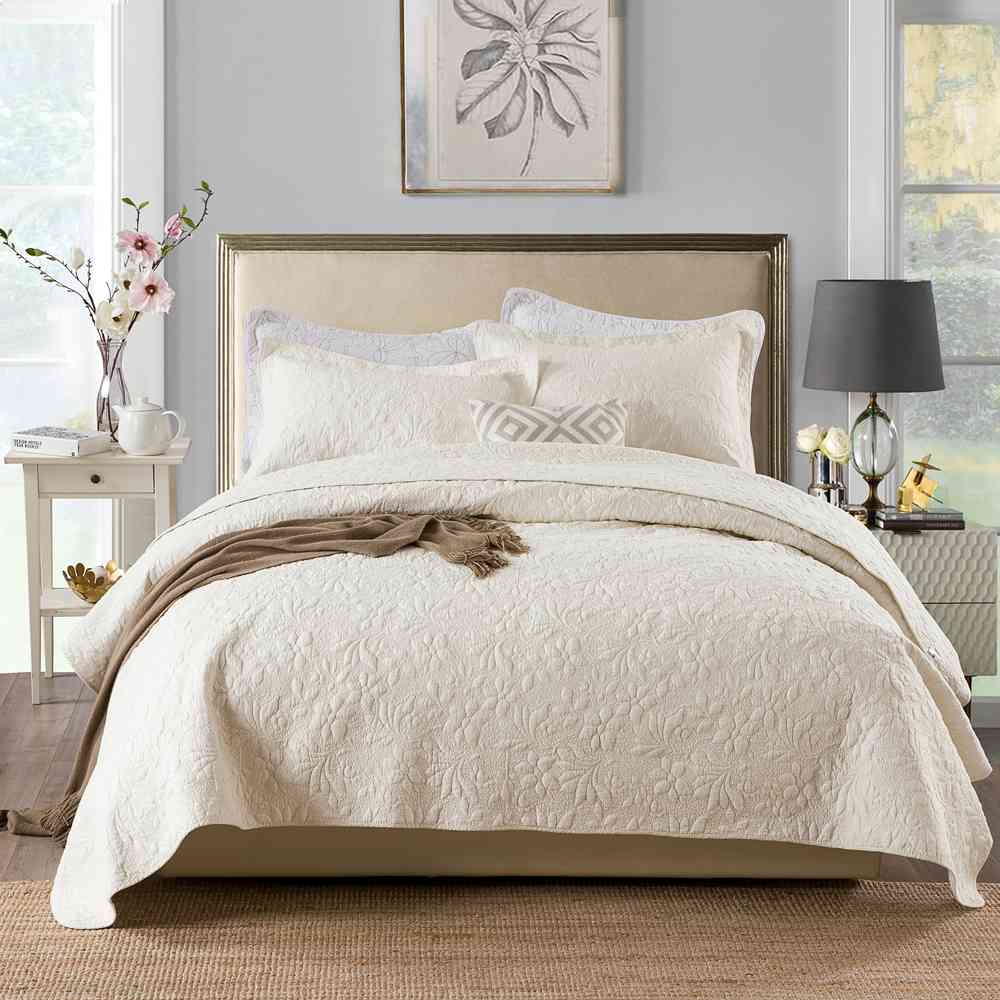
A quilt set RFQ should define whether the main piece is a filled quilt, a bed cover or a removable cover intended for a separate insert. List the included components and ask the supplier to confirm the actual construction. Product names and a styled bed photograph are starting references, not a complete statement of the unit being quoted.
A buyer can request a three-piece set and still leave the most important product question unanswered. The main piece may be interpreted differently by purchasing, merchandising and the supplier. For wholesale bedding sets from Pinlun, begin with the supplied-unit definition. It makes later discussions about materials, dimensions and commercial terms easier to compare without assuming that every catalogue term describes the same construction.
Name the physical item rather than only the collection
Write a short description of the main piece and ask whether it contains filling, has an opening for an insert or is supplied as another type of bed covering. Request a relevant construction view or sample if the wording remains unclear. Keep that answer beside the product reference so the commercial response cannot silently change the type of item.
The Orchid Embroidery listing combines quilt, bed-cover and duvet-cover wording with material and filling information. Ask which description applies to the actual selected variant instead of choosing one interpretation from the page. The enquiry should make the intended physical product clear before a supplier is asked to return a comparable quotation.
- Define the construction of the main piece.
- List included components independently of staged props.
- Confirm dimensions, units and direction in writing.
List included pieces separately from the room styling
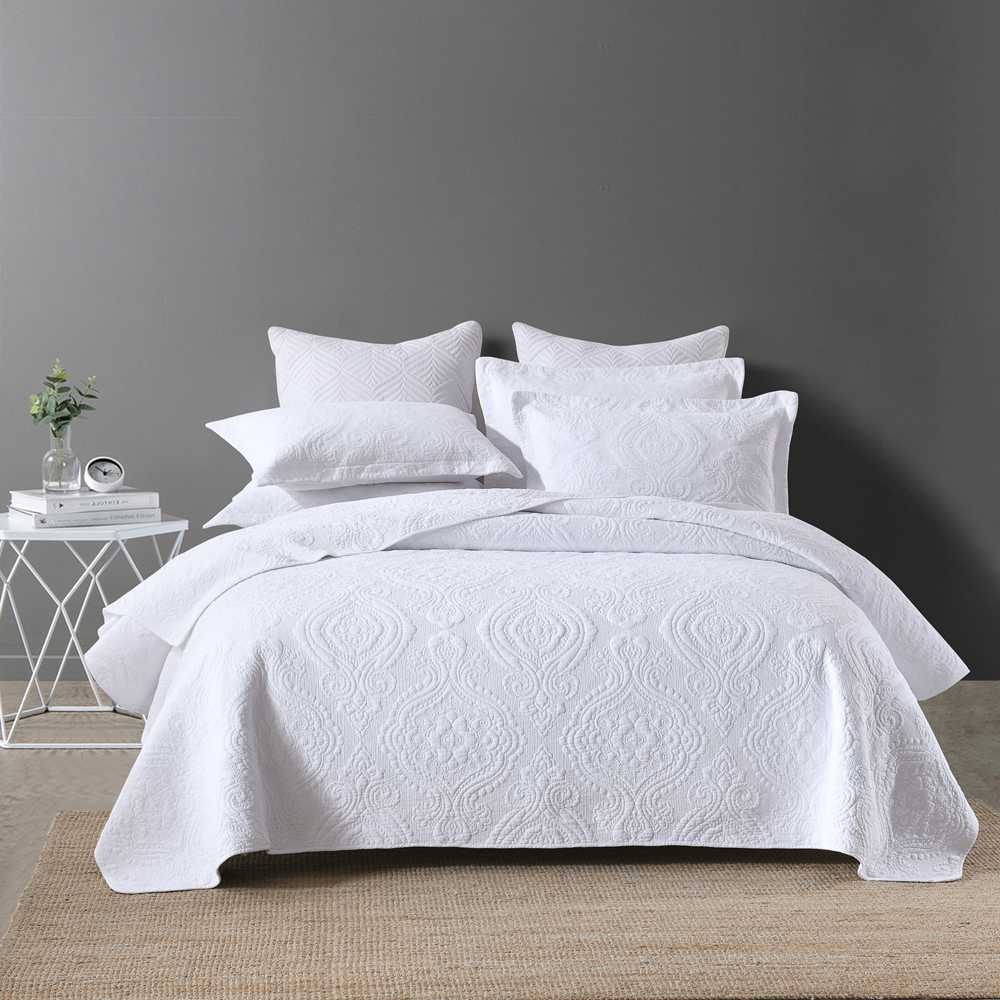
Attach a component schedule that identifies the main piece and each pillowcase or other requested item. Use the selected catalogue reference, then ask which components are included in the offered set. Do not count every pillow, throw, decorative cushion or furniture item visible in a room image as part of the product unit.
The Damascus catalogue view provides a distinct patterned reference. It can help identify the chosen appearance, while the written component schedule defines what the buyer wants to receive. If another component is offered as an option, show it separately rather than allowing an attractive staged arrangement to become an implied packing list.
| RFQ field | Buyer request | Supplier confirmation |
|---|---|---|
| Main piece | Filled quilt, bed cover or removable cover | Actual construction offered |
| Included components | Individual requested pieces | Exact set scope |
| Dimensions | Named component and unit | Width, length and controlling reference |
| Alternative | Separate visual or product option | Any changed scope or material |
Resolve dimensions using a single agreed reference
Keep the size name, actual dimensions and measurement units in separate fields. Ask which direction is width and which is length, then request confirmation of the units that will control the order record. Do not substitute a mattress size for the size of the finished bed covering or assume that a familiar size name settles the required drop.
Where catalogue text and annotated images use different presentations, flag the point and ask the supplier to reconcile it. Retain the confirmed measurement diagram with the selected component reference. This is more useful than silently correcting an illustration or copying a rounded conversion into a final specification without agreement.
Ask for the relevant material information
Keep the main-piece construction, outer material and any filling as distinct questions. Ask which declaration applies to the selected variant and which information can support the intended product description. A room photograph may show surface pattern and arrangement, but it cannot independently establish fibre content, filling quantity or another product property.
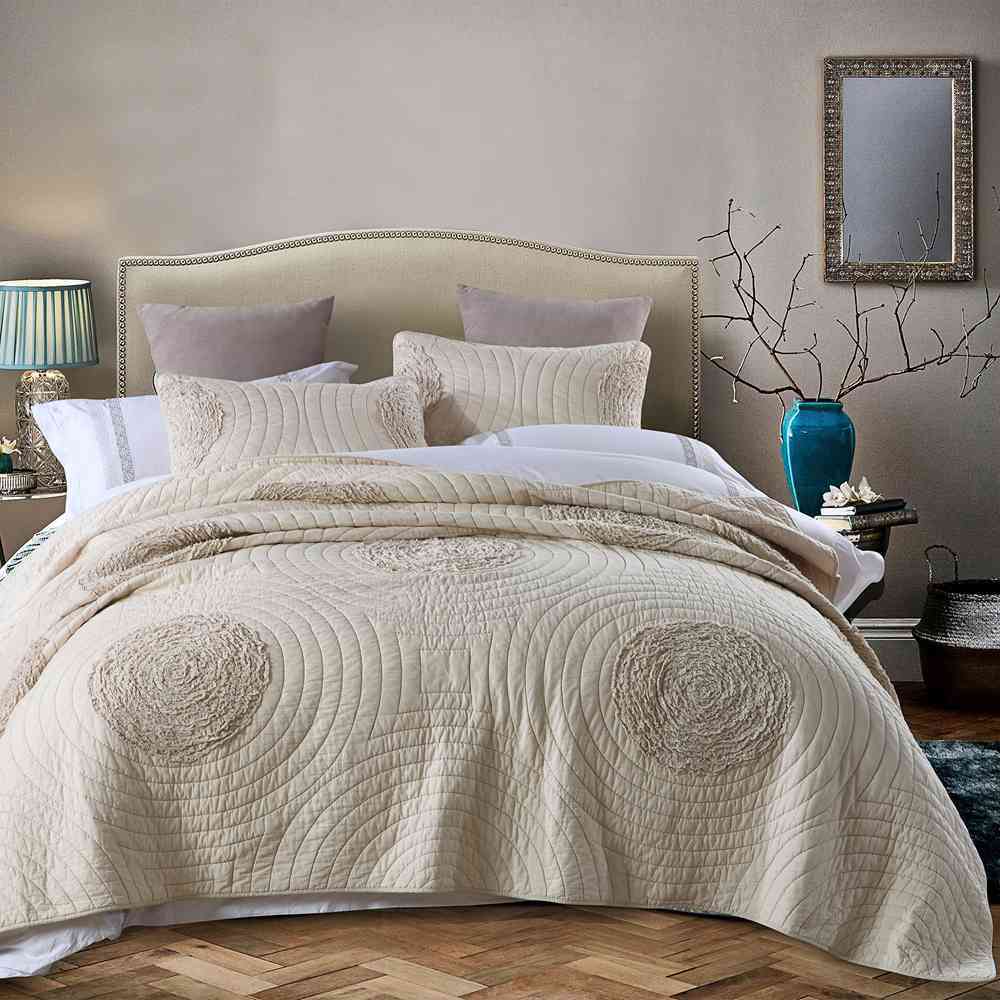
The Circular Pattern reference shows another visual design within the catalogue. Use it to identify an alternative appearance if needed, then obtain the same construction and component answers for that alternative. A different motif name should not be assumed to carry every material or supplied-unit detail from the first enquiry line.
Compare only responses with the same scope
Give the supplier fields to confirm the main-piece type, component list, selected variant and any exceptions. Keep current price, availability, minimum quantity and delivery conditions in the supplier response rather than filling them with assumptions. An unanswered construction question should remain open even if a commercial total has already been returned.
When an alternative changes the main piece or included components, mark the difference before comparing totals. Retain the clarified RFQ and written response together. This creates a concrete product scope that sampling and packing can follow, instead of relying on several interchangeable-sounding names to communicate what the order actually contains.
Frequently Asked Questions
Does a three-piece label explain the main-piece construction?
No. Ask what each piece is and whether the main item is filled or intended for a separate insert.
Are decorative cushions in a room image included?
Do not infer inclusion from styling. Confirm every supplied component in the written schedule.
Is a queen or king name enough for ordering?
Retain the name, but also confirm the actual component dimensions, units and directions for the selected variant.
Can differently scoped quotations be compared only by total?
Identify differences in construction and included pieces first. A price for another unit does not answer the same request.
Send the supplied-unit schedule through Pinlun contact with the selected references and unresolved questions. Keep the accepted response for sampling and use the buying archive when the earlier product-selection context is needed.