
The Advantages of Eco-Friendly Bedding for Wholesale Suppliers
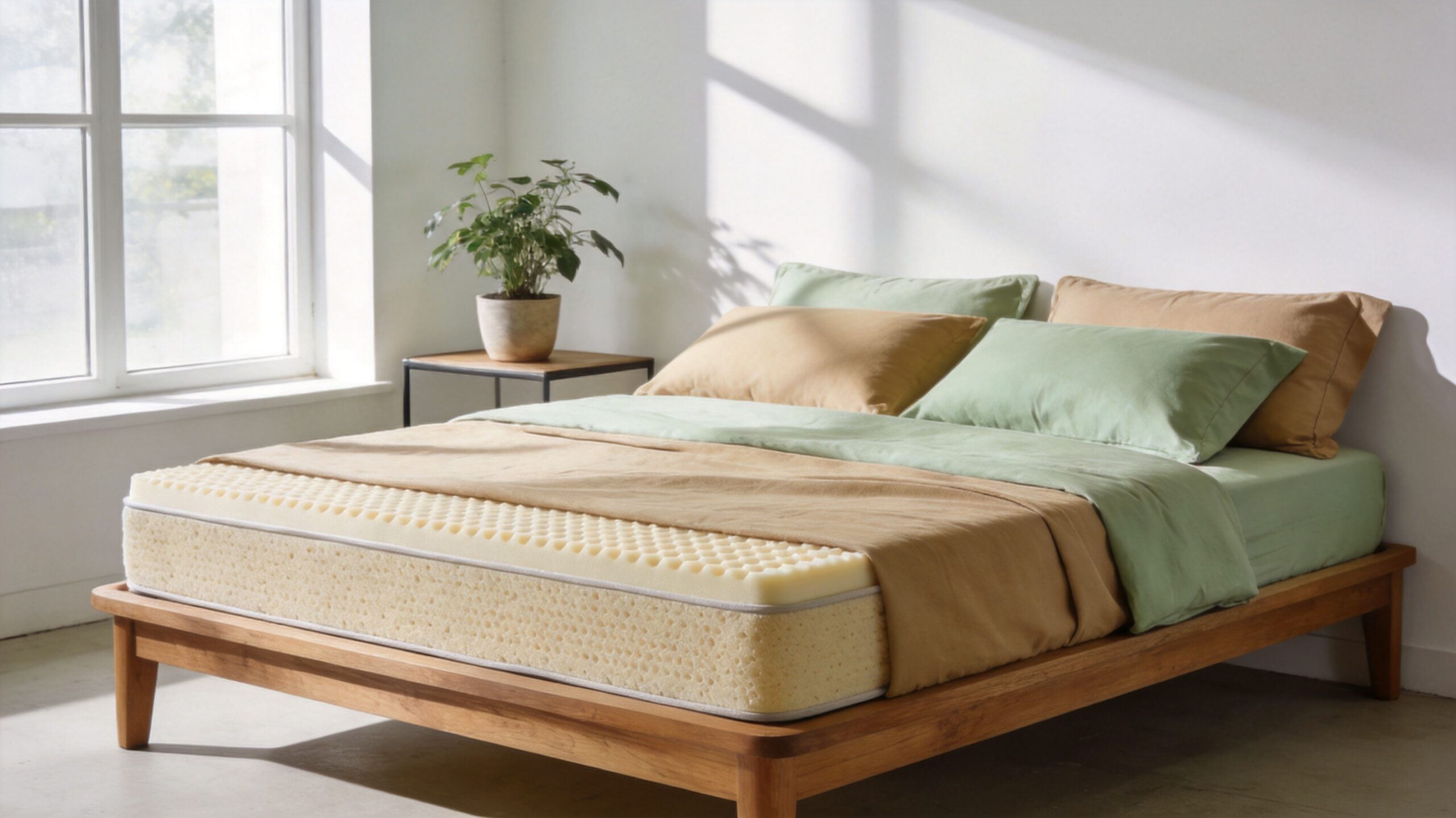
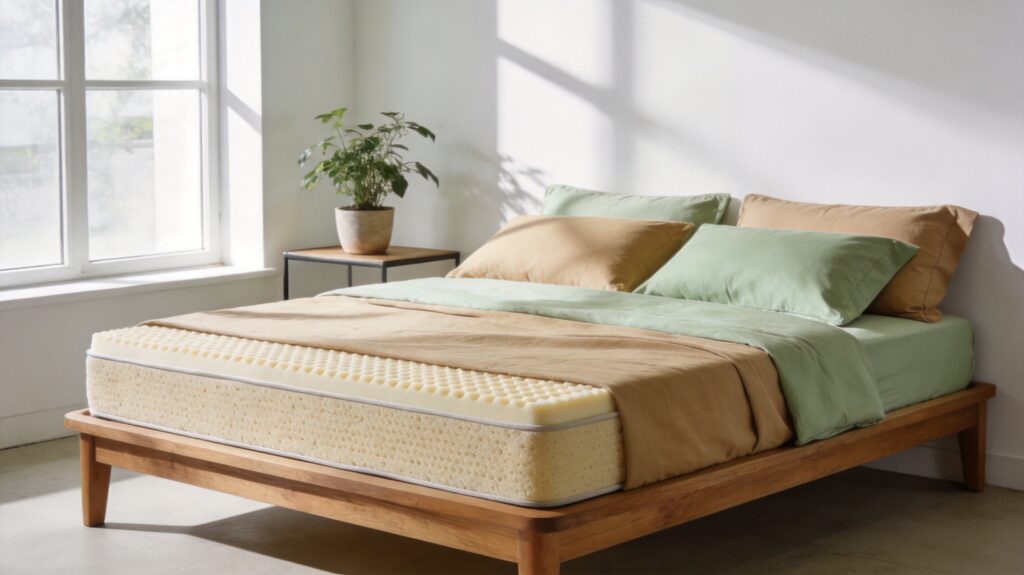
In today’s market, eco-friendly bedding has become a vital product category for wholesale suppliers. This type of bedding includes bed linens, mattresses, and various sleep products crafted from sustainable materials and processes that aim to minimize environmental impact. With a focus on biodegradability, non-toxicity, and minimal harm to our planet, eco-friendly bedding is increasingly sought after as consumers become more aware of their environmental footprint. As a wholesale supplier, you are uniquely positioned to meet this growing demand by offering eco-friendly bedding products that cater to eco-conscious consumers while also aligning with sustainable business practices.
The advantages of eco-friendly bedding are numerous, making it an attractive option for wholesale suppliers.
- Environmental Impact: Eco-friendly bedding significantly diminishes environmental degradation. Products made from organic cotton, bamboo, or recycled materials require less water and energy during production. By choosing eco-friendly options, suppliers contribute to reducing pollution and deforestation, which resonates with environmentally conscious businesses.
- Health Benefits for Consumers: Traditional bedding materials often undergo treatment with harmful chemicals that can negatively affect health. In contrast, eco-friendly bedding is usually free from these substances, providing a safer sleeping environment. This aspect is especially critical for sensitive individuals, such as children and those with allergies.
- Market Demand Trends: The shift towards sustainability is not a fleeting trend; it represents a significant change in consumer behavior. Studies indicate that consumers are willing to spend more on eco-friendly products, creating a lucrative market for wholesale suppliers. By offering eco-friendly bedding, suppliers can tap into this expanding consumer base.
For wholesale suppliers, understanding the specifications of eco-friendly bedding is essential.
- Materials Used: Common materials for eco-friendly bedding include organic cotton, linen, hemp, and bamboo. Each material brings unique benefits, such as breathability, durability, and softness, which can enhance the overall sleep experience.
- Certifications and Standards: Look for certifications such as GOTS (Global Organic Textile Standard), OEKO-TEX, and Fair Trade, which guarantee that the bedding meets specific environmental and social criteria. These certifications can enhance the credibility of the products offered by wholesale suppliers.
- Durability and Care Instructions: Eco-friendly bedding is designed for durability and longevity. However, care instructions may differ from conventional bedding. Suppliers should provide clear guidelines on maintaining these products to ensure longevity, which can help reduce returns and improve customer satisfaction.
Eco-friendly bedding has various applications, making it valuable for wholesale suppliers.
- Hospitality Industry Applications: Hotels and resorts are increasingly adopting eco-friendly bedding to attract environmentally conscious travelers. Suppliers can target this market by offering bulk bedding purchases tailored for the hospitality sector.
- Residential Market Opportunities: As more consumers pursue sustainable living options, the residential market presents ample opportunities for eco-friendly bedding. Wholesale suppliers can cater to retailers focusing on home goods, providing them with eco-conscious options.
- Promotional and Gifting Options: Eco-friendly bedding can serve as a unique promotional item or gift. Suppliers can collaborate with businesses looking to enhance their brand image through sustainable practices.
When evaluating eco-friendly bedding, suppliers should consider various factors.
- Organic vs. Conventional Bedding: Organic bedding is produced without synthetic pesticides or fertilizers, while conventional bedding often relies on these chemicals. Suppliers should emphasize the advantages of organic options to potential buyers.
- Price Comparisons: Although eco-friendly bedding may come at a higher price point, the long-term benefits and increasing consumer demand can justify this investment. Suppliers should clearly communicate the value proposition to their clients.
- Performance Metrics: Performance metrics such as breathability, moisture-wicking capabilities, and durability can distinguish eco-friendly bedding from conventional options. Providing data on these metrics can help suppliers demonstrate the quality of their products.
Sourcing eco-friendly bedding requires careful consideration.
- Finding Reliable Suppliers: Wholesale suppliers should seek manufacturers with a proven track record in sustainability. Researching supplier backgrounds and product reviews can help ensure reliability.
- Evaluating Supplier Practices: Assessing a supplier’s production practices is essential. Look for transparency in sourcing materials and labor practices to ensure that they align with eco-friendly values.
- Bulk Purchase Considerations: When making bulk bedding purchases, suppliers should consider minimum order quantities, lead times, and shipping options. Establishing a good relationship with suppliers can facilitate smoother transactions.
To effectively market eco-friendly bedding, wholesale suppliers should adopt strategic approaches.
- Marketing Eco-Friendly Bedding: Utilize digital marketing, social media, and content marketing to promote eco-friendly bedding. Highlight the environmental benefits and health advantages in marketing materials to attract attention.
- Educating Retail Partners: Provide training and resources to retail partners about the benefits and selling points of eco-friendly bedding. This education can empower retailers to effectively communicate these advantages to their customers.
- Inventory Management Tips: Maintain a balanced inventory of eco-friendly bedding to meet demand without overstocking. Implementing a just-in-time inventory system can help manage costs while ensuring product availability.
Frequently Asked Questions
- What Makes Bedding Eco-Friendly? Eco-friendly bedding is made from sustainable materials and produced using environmentally responsible methods, free from harmful chemicals.
- How to Transition to Eco-Friendly Products? Suppliers can gradually incorporate eco-friendly options into their inventory, starting with high-demand items and educating their customer base about the benefits.
- What Are the Cost Implications? While the initial investment in eco-friendly bedding may be higher, the growing consumer demand and willingness to pay a premium can lead to increased profits.
In conclusion, eco-friendly bedding presents a wealth of opportunities for wholesale suppliers. By understanding its benefits, specifications, and market trends, suppliers can effectively position themselves within this growing segment. Embracing eco-friendly products not only aligns with consumer preferences but also contributes to a sustainable future.