
Quilt Set Packing: Count and Trace Each Component
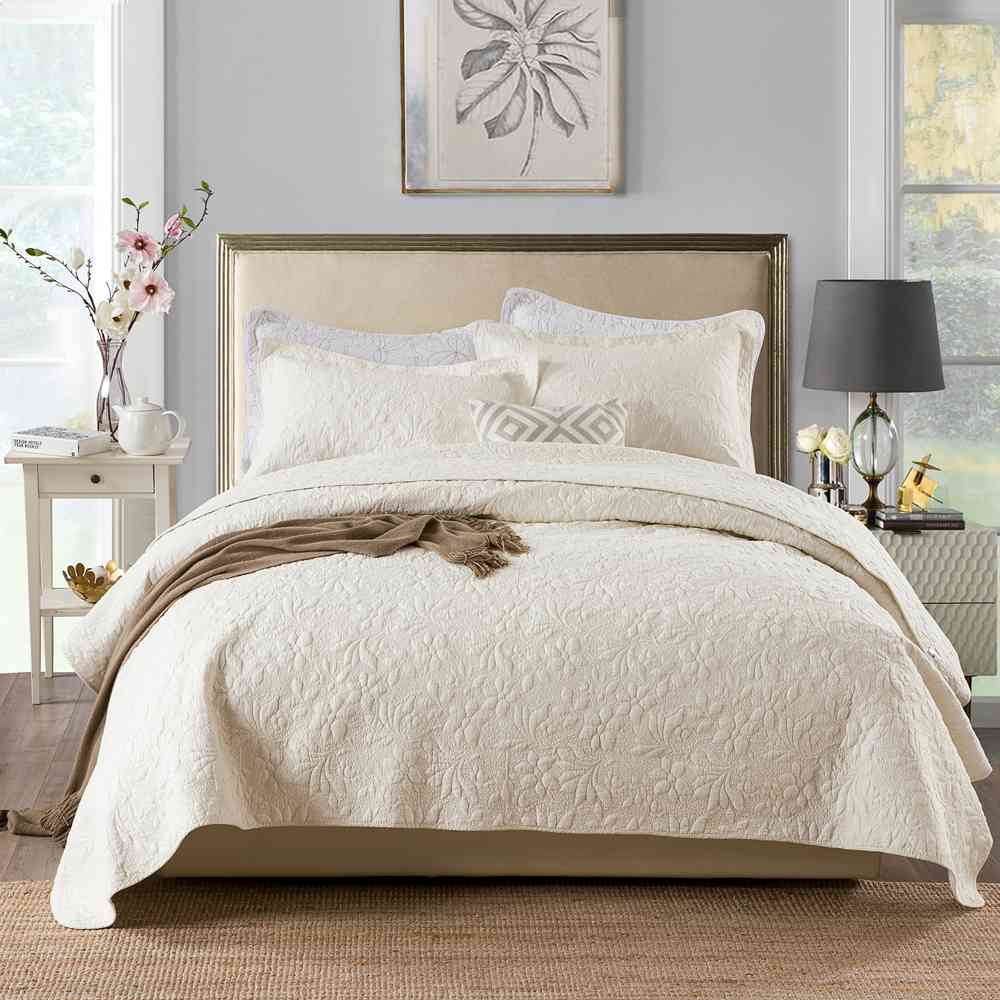
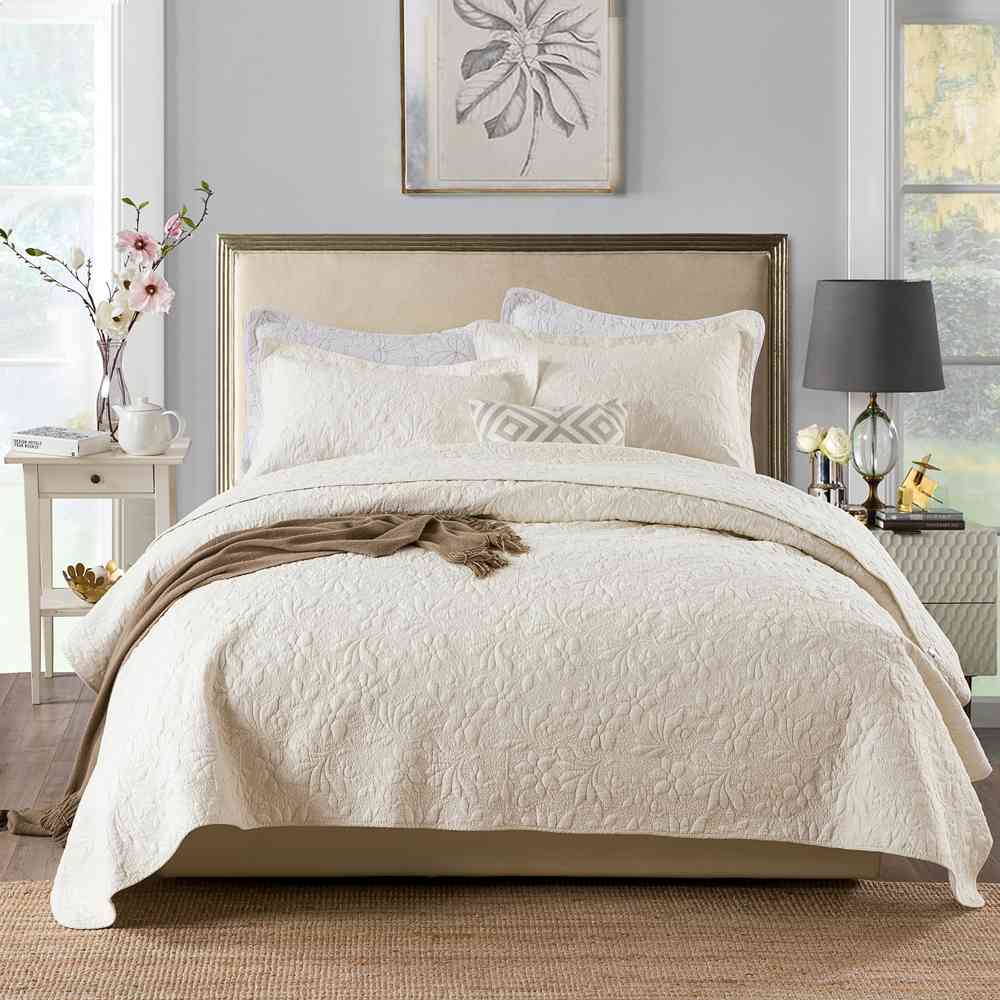
For quilt set packing, keep complete-set counts separate from the counts of main coverings and pillowcases. Match the agreed component list, motif and selected size to one packing reference, then open a sample pack to check it. A three-piece description or staged bed photograph does not independently confirm the contents of the actual packed unit.
Receiving can confirm the expected number of bags while still finding the wrong pillowcase combination inside. The risk grows when folded covers hide the pattern and several size names share a similar outer pack. Buyers arranging wholesale bedding sets need a component schedule that connects the selected product to the packed unit and the carton record, rather than relying on an overall bag count alone.
Freeze the component schedule before designing labels
List every agreed supplied component and its quantity per set. Distinguish the main covering from pillowcases and any separately requested item. Keep optional additions outside the confirmed contents until selected. This schedule defines the counting relationship that the packing instruction must preserve; it is not a reason to assume that every photographed object is included.
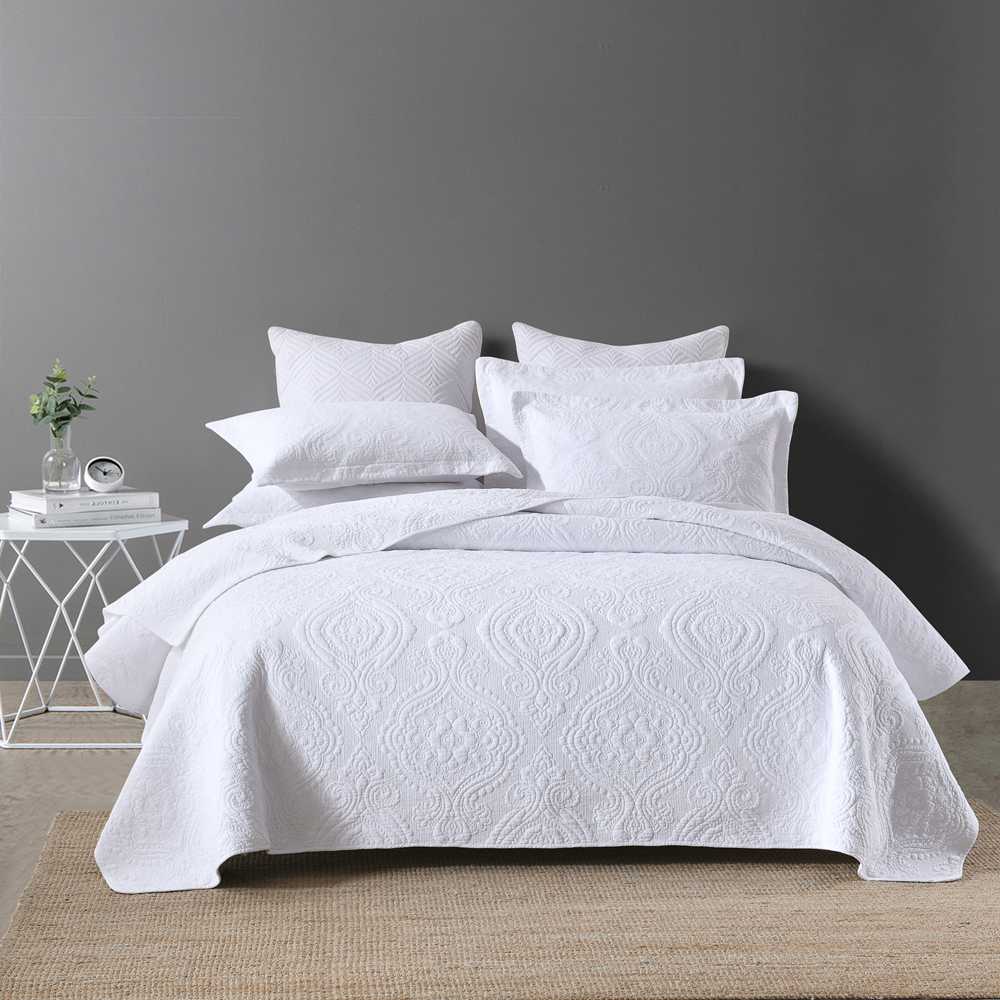
The Damascus listing presents a three-piece catalogue reference, while the room view includes a fuller styled arrangement. Ask which exact components are in the offered unit and retain that written answer. A decorative cushion, extra pillow or throw should enter the pack only when it is expressly part of the agreed scope.
- Confirm contents before defining one complete set.
- Count sets and individual pieces separately.
- Trace one pack from label to opened components.
Reconcile set quantities with physical piece quantities
Use separate columns for complete sets and individual components. Multiply the confirmed per-set contents by the requested set quantity, then ask the supplier to confirm that the packing plan uses the same basis. The arithmetic depends on the agreed component schedule; do not invent a universal contents rule for every item sold under a similar set name.
For the Orchid Embroidery reference, keep the selected main piece and pillowcase references together in the schedule. If a replacement component or a split shipment is proposed, show the effect on the counts explicitly. A correct grand total of pieces cannot establish that every complete set can be assembled as requested.
| Packing layer | Record required | Question to answer |
|---|---|---|
| Set schedule | Included pieces per agreed unit | Can the complete set be assembled? |
| Retail pack | Mapped motif and size reference | Does the label match every component? |
| Opened example | Actual contents and sample ID | Are optional props excluded? |
| Carton record | Individual set-variant counts | Does the assortment reconcile? |
Make motif and size traceable after folding
Assign a packing identifier that maps to the selected product reference, confirmed size and colour or motif. Retain the supplier reference alongside any buyer stock code. If folding conceals the pattern or an edge detail, the outside identifier should still let the receiving team trace the pack to its agreed component record.
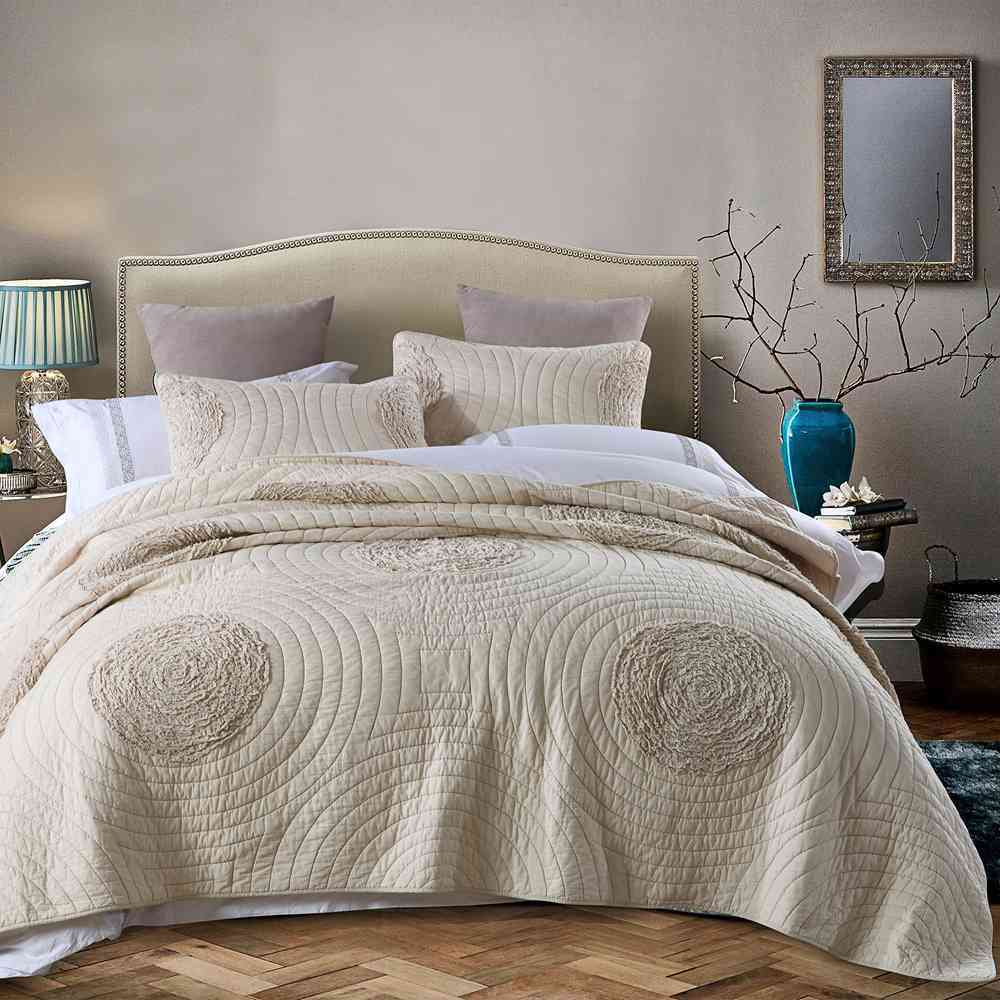
The Circular Pattern design is visually distinct from the floral and ornamental references. Keep it on its own packing line even if the outer bags or colour descriptions look similar. A size name should remain linked to the confirmed dimensions for the selected component, rather than standing in for a measurement decision that has not been resolved.
Open a representative packed example
Review an actual packing sample by recording the outside label, opening the pack and identifying each component. Compare the resulting pieces with the agreed schedule and product references. Keep the sequence with the sample identifier so a future check can reproduce the same identity and counting exercise.
Ask the supplier to confirm the selected packing method and materials. If compressed and uncompressed options are discussed, keep the chosen option separate from any unverified promise about recovery, protection or final package dimensions. Catalogue packaging figures are information to reconcile for the actual order, not a substitute for reviewing the offered packed example.
Carry the same references onto the carton schedule
State whether cartons contain one selected set variant or an agreed assortment. For mixed cartons, list each packing reference and its set count, with component implications still traceable. If the plan changes, update the label mapping and schedule together rather than correcting only the overall shipment total.
Retain unresolved contents or identifier questions as open decisions. The accepted packing example, final component schedule and written supplier response should describe the same unit. This gives receiving a concrete basis to investigate a mismatch without assuming that a similar pattern, size name or bag count makes another combination interchangeable.
Frequently Asked Questions
Is a three-piece description a full packing instruction?
It is a starting reference. Confirm which pieces are included and connect their identities to the selected packed unit.
Why count pillowcases separately from complete sets?
Separate counts expose a missing or substituted component that an overall bag count can conceal.
Do catalogue pack dimensions prove the offered package size?
Ask the supplier to confirm the chosen method for the actual variant and review the representative packed example.
Can mixed motifs share one general carton description?
Keep individual packing references and counts visible so the receiving team can reconcile the intended assortment.
Send the component and carton schedules through Pinlun contact. Retain the accepted packing example and refer to the buying archive for separate product-selection and sample questions.