
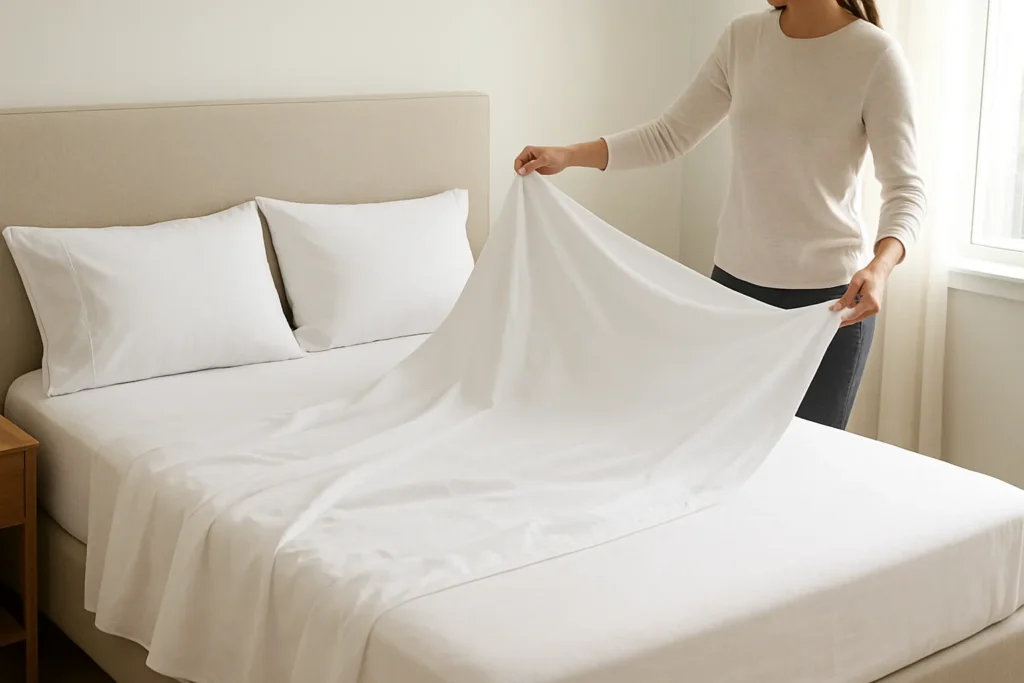
Choosing the Right Queen Bed Sheets: A Beginner’s Guide
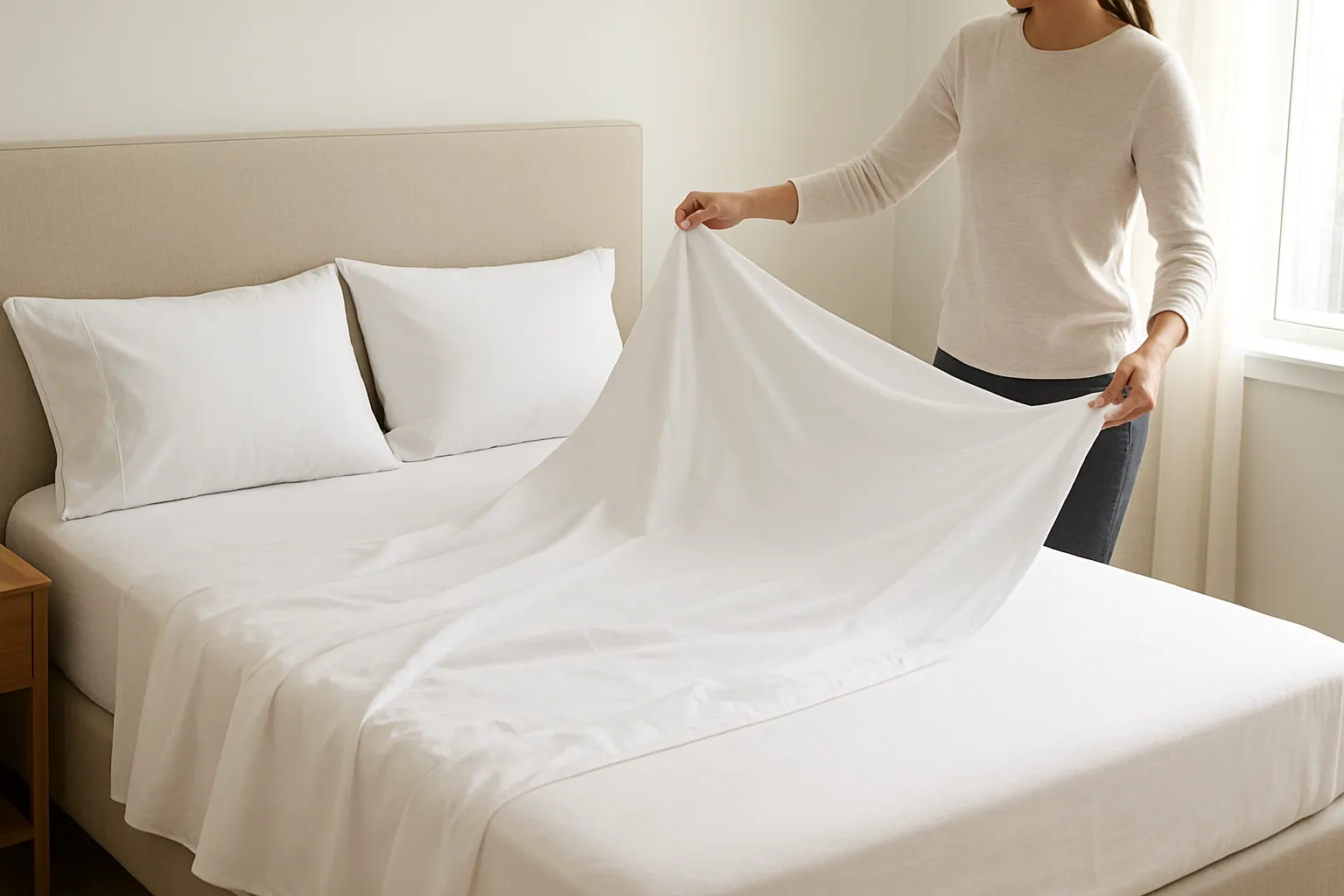
Choosing the right queen bed sheets can significantly impact your sleep quality and bedroom aesthetics. The first step is to identify your preferred material, style, and the specific size that fits your mattress. With options ranging from cotton to linen, each fabric brings its own benefits, affecting comfort, durability, and maintenance.
Understanding the nuances of queen bed sheet sizes and types will help you avoid common pitfalls when shopping. Many newcomers overlook essential details such as thread count, weave patterns, and care instructions, which can influence the longevity and feel of your sheets. By familiarizing yourself with these factors, you can make an informed decision that enhances both your comfort and your bedroom’s overall appearance.
This guide will walk you through the essential considerations for selecting queen bed sheets, helping you navigate through material comparisons, care tips, and common mistakes to avoid.
Understanding Queen Bed Sheet Sizes and Types
When selecting queen bed sheets, understanding the sizes and types available is crucial. A standard queen bed measures 60 inches wide by 80 inches long, making it essential to choose sheets that fit properly.
Queen bed sheets typically come in various types: fitted sheets, flat sheets, and pillowcases. Fitted sheets include elastic corners to hug the mattress securely. Flat sheets serve as a top layer and can be tucked under the mattress for a neat appearance. Pillowcases, designed to encase pillows, are often included in sheet sets but can also be purchased separately.
When measuring your bed, consider the mattress depth. Standard queen mattresses are about 10 to 12 inches thick, but if you have a thicker or pillow-top mattress, you’ll need deep-pocket fitted sheets. Always check the packaging for specific dimensions, as sizes can vary slightly among manufacturers.
A common mistake is assuming that all queen sheets will fit your mattress perfectly. Differences in depth and design can lead to ill-fitting sheets. To avoid this, measure your mattress depth and choose sheets accordingly.
Material Comparisons: Cotton, Linen, and More
When selecting queen bed sheets, the material significantly impacts comfort, durability, and breathability. Here, we compare popular options such as cotton, linen, microfiber, and bamboo.
Cotton is the most common choice for bed sheets, known for its softness and breathability. Look for options labeled as 100% cotton, as blends can compromise quality. Egyptian and Pima cotton are top-tier choices due to their long fibers, contributing to durability and a luxurious feel. However, cotton sheets may wrinkle easily and require more frequent washing.
Linen, derived from the flax plant, offers excellent breathability, making it ideal for hot weather. Linen sheets are naturally moisture-wicking but may require more care to avoid excessive wrinkling. If you appreciate a relaxed aesthetic, linen could be the perfect fit.
Microfiber sheets are budget-friendly and known for their stain resistance. They are made from synthetic fibers and can feel less breathable than natural materials. If you frequently wash your sheets or live in a humid environment, consider how microfiber may impact your sleeping temperature.
Bamboo sheets are gaining popularity for their eco-friendliness and hypoallergenic properties. They are extremely soft, breathable, and moisture-wicking. However, their longevity can depend on the quality of manufacturing, so opt for reputable brands.
Care Instructions and Longevity Tips
To ensure your queen bed sheets last longer and maintain their quality, proper care is essential. Here’s how to effectively wash, dry, and store your sheets.
Washing: Always check the care label before washing. Most queen bed sheets can be machine washed in cold or warm water. Use a mild detergent to avoid fabric damage. Wash sheets separately from other laundry to reduce friction and potential pilling.
Drying: Air drying is the gentlest option. If using a dryer, select a low heat setting to prevent shrinking. Remove the sheets while they are still slightly damp to minimize wrinkles.
Storage: Store your queen bed sheets in a cool, dry place. Avoid plastic containers, which can trap moisture. Instead, opt for breathable cotton storage bags. Rotate their use to ensure even wear over time.
Common Mistakes to Avoid: One frequent mistake is washing sheets with heavy items, which can cause excessive wear. Another is neglecting to follow care instructions specific to the sheet material.
Common Mistakes to Avoid When Buying Queen Bed Sheets
When choosing queen bed sheets, many newcomers overlook critical factors. Here are some common mistakes and actionable steps to help you avoid them.
Ignoring Thread Count: Aim for a thread count between 200 and 800 for optimal comfort. Remember that other materials and weaves can also impact the feel.
Overlooking Care Instructions: Not all materials are created equal. Always read the label before purchasing to ensure you can commit to the necessary care routine.
Neglecting Personal Comfort Preferences: Consider testing different materials in-store to see which feels best against your skin.
Failing to Check Fit: If you have a thicker mattress, look for deep-pocket sheets that accommodate the extra height.
Choosing Style Over Function: Ensure the sheets you choose are breathable, moisture-wicking, and suitable for your local climate.
Frequently Asked Questions about Queen Bed Sheets
When selecting queen bed sheets, new buyers often wonder about key aspects such as thread count and maintenance frequency. A common question is, “What thread count is best for queen bed sheets?” Generally, a thread count between 300 and 600 is ideal for a balance of softness and durability.
Another frequent inquiry is, “How often should I change my bed sheets?” The recommendation is to wash sheets every one to two weeks. This timeline helps maintain hygiene and extends the lifespan of your sheets.
Understanding these factors can significantly enhance your bedding experience. Here are a few practical tips:
- Check the Material: While cotton is popular, consider blends or linen for hot climates.
- Evaluate Fit: Ensure that the sheets fit your mattress properly.
- Care Instructions: Follow the manufacturer’s care guidelines.
By addressing these FAQs, you can make informed decisions when purchasing queen bed sheets, ensuring a comfortable and restful sleep environment.
Frequently Asked Questions
What is the standard size for queen bed sheets?
The standard dimensions for queen bed sheets are typically 60 inches by 80 inches.
How do I choose the right material for queen bed sheets?
Consider factors like breathability, durability, and personal comfort preferences when selecting materials.
What thread count should I look for in queen bed sheets?
A thread count between 200 and 800 is generally recommended for a balance of comfort and durability.
How often should I wash my queen bed sheets?
It’s advisable to wash your bed sheets every one to two weeks to maintain cleanliness and freshness.
Can I use a full-size sheet set on a queen bed?
No, full-size sheets are smaller and will not fit a queen bed properly.